VIIMENTOR PROGRAM PHOTOGRAPHERS' LATEST STORIES
The VIIMENTOR PROGRAM, a new initiative conceived by VII Members, seeks to provide professional development for emerging photographers whom the Members consider to be the brightest new talents in the industry. After being nominated by a VII Member, each selected photographer will work with a senior member of VII for two years to build and polish necessary skills and to expand his or her own professional practice.
Agnes Dherbeys
Giulio Di Sturco
Don McNeill Healy
Benedicte Kurzen
Anastasia Taylor-Lind
Maciek Nabrdalik

Ampham, 32, looks at the body an AIDS victim in the Wat Prah Bat Nam Phu temple. Agnes Dherbeys/VII Mentor Program
AGNES DHERBEYS

The Temple of Doom - 40 million people live with the HIV virus around the globe and the malady has been known for more than 2 decades. AIDS should no longer be a seen as a scary plague, but still too many hide their struggle to survive, fearing stigma and rejection. Some HIV infected Thais end up in the Buddhist temple Wat Prah Bat Nam Phu, where you find no doctor, no morphine, and no equipment that could ease the pain. Instead, you warily glance at the raw agony of patients and admire the compassionate yet despairing work of the few volunteers. Still, many of the patients are strong, welcoming, and keen to share some of their remaining time. The AIDS foundation at the temple operates thanks to everyday tourists who donate cash or rice bags and end their tour in the "Life Museum," where actual bodies of HIV victims are displayed. Often, the ashes sent to a victim's relatives are returned to the temple: the unwanted remains of a shameful sibling or child.

Generations Rangzen - On March 17th, 1959, the 14th Dalai Lama fled from his palace in Lhasa, Tibet, for Dharamsala, India, escorted by Chushi Gangdruk, Tibetan guerilla fighters, after a failed uprising against Chinese occupation. Entire monasteries had taken up arms to defend themselves and robed monks ambushed Chinese soldiers as early as 1953. Now 50 years after his escape from Lhasa, the Dalai Lama said in early March that the Chinese Communist Party has transformed Tibet into a "hell on earth" where the "religion, culture, language and identity, which successive generations of Tibetans have considered more precious than their lives, are nearing extinction." Attempts at negotiation between the Dalai Lama and Chinese government have consistently stalled, while more than a million Tibetans have died, monasteries have been destroyed, and 140,000 Tibetans forced into exile. Frustration grows throughout the diaspora, particularly among youth, and with it builds the spirit of resistance. In this work in progress, Agnes Dherbeys follows Tibetan exiles in Nepal, both young and old, from cafes to their homes to protests against Chinese occupation of Tibet. She captures the spirit of Rangzen, or independence for Tibet, sought by a people whose heritage has been methodically dismantled for the past 50 years.


Flood affected villagers rest at an MSF temporary relief camp. Giulio Di Sturco/VII Mentor Program
GIULIO DI STURCO

Bihar Aftermath - In late August last year the Kosi River in the state of Bihar, India, overflowed its banks after severe monsoon rains caused a dam to burst in neighboring Nepal, triggering what officials are calling the worst floods in 50 years. The World Health Organization reports that an estimated 70,000 people in Nepal and more than three million in India have been affected. In the state of Bihar alone, an estimated 300,000 homes have been destroyed, 250,000 acres of farmland devastated, and more than 2.5 million people displaced. According to officials in Bihar, more than 560,000 people have been evacuated so far and an estimated 200,000 moved to government relief camps, many of which are also being submerged by water. Villagers are eating uncooked rice and flour mixed with polluted water in order to survive. The lack of food and potable drinking water are immediate concerns for flood-stranded victims, in addition to the outbreak of life-threatening, water-borne diseases.

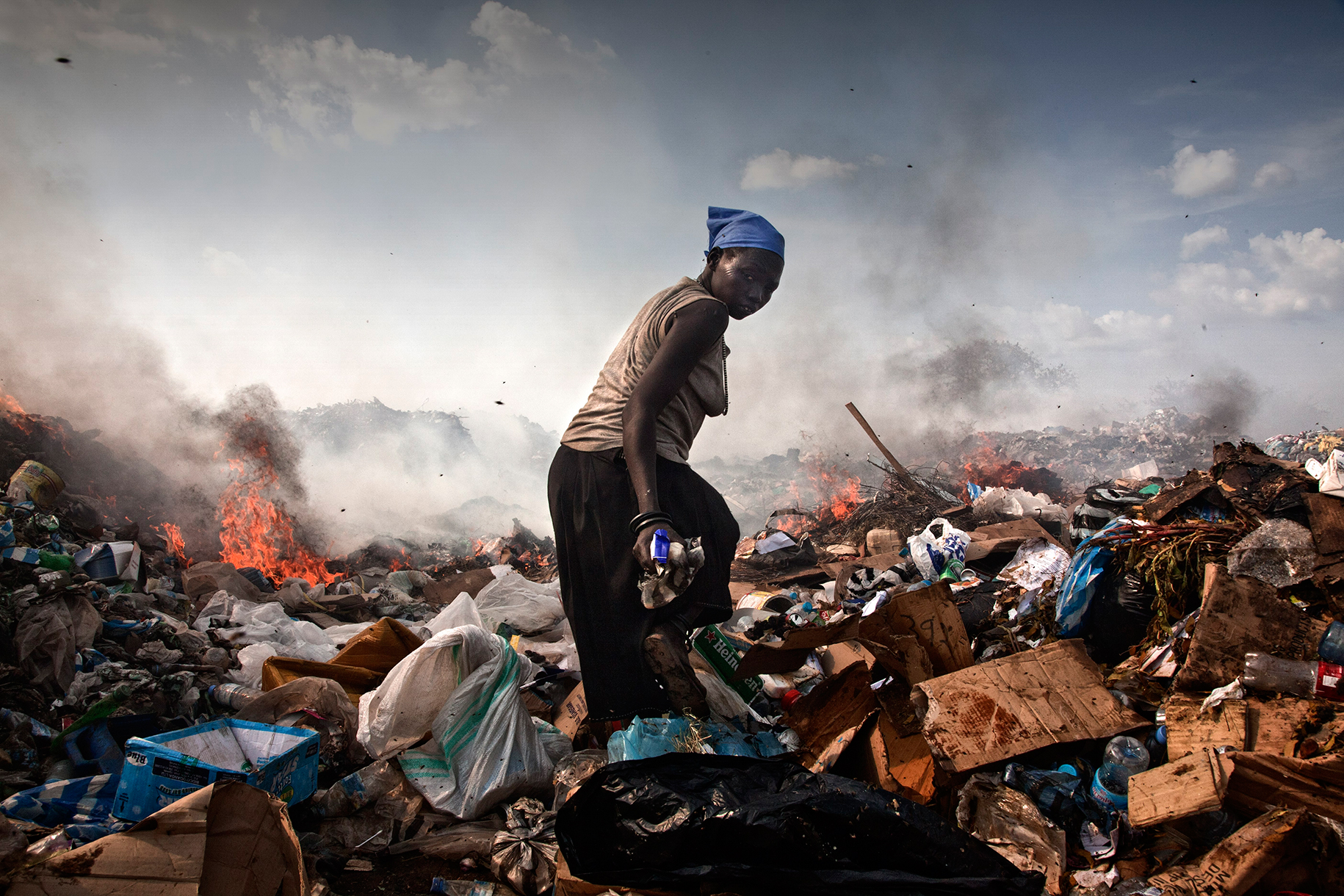
Fashion Week in Delhi - In recent years, India has exploded as an economic powerhouse, giving rise to a new middle class, gleaming cities, and a sense of modernity. In mid-October last year, New Delhi became the center for Indian fashion and design. While the newly wealthy will wear Chanel or Armani when traveling outside India, local fashions are preferred at home. Giulio Di Sturco visits the world of new Indian fashion for a new India.


Bodies on the floor of a home after fighting between Mai Mai soldiers and the CNDP in Kiwanja. Benedicte Kurzen/VII Mentor Program
BENEDICTE KURZEN

Kiwanja Killings - Between Nov. 4 and Nov. 5, 2008, an estimated 150 people were massacred, the worst violence in the North Kivu province of the Democratic Republic of Congo in the past two years. Although the United Nations' peacekeepers considered Kiwanja a priority protection zone, they did not have enough peacekeepers or the capacity to stop the killings. Survivors could only run to the UN base half a mile away and cluster outside the fence for protection.

Laurent Nkunda - There are two sides to Gen. Laurent Nkunda. On one he is the defender and savior of the Tutsi people, with a dazzling smile, disarming scholarly glasses befitting a teacher, religious acumen as a preacher and ordained minister, and often in the company of either his pet goat Betty, or a cane crowned with a golden eagle head. The other, darker image is painted by adversaries and human rights groups alike: leading two renegade Tutsi battalions against the newly formed Transitional Government of the Democratic Republic of the Congo, in the name of Tutsi vengeance, Nkunda spearheads a conflict that has now uprooted 2 million people. Nkunda and his forces stand accused of varied human rights violations, from murder, rape, and pillaging of civilian towns to the massacre of at least 150 people at Kiwanja. And while he denies the charge of recruiting child soldiers to his 7,000-strong army, there is no denial that for many who fall on Nkunda’s path of ethnic pride, it has become a road to a living hell.


DON McNEILL HEALY

Pigeon House Road
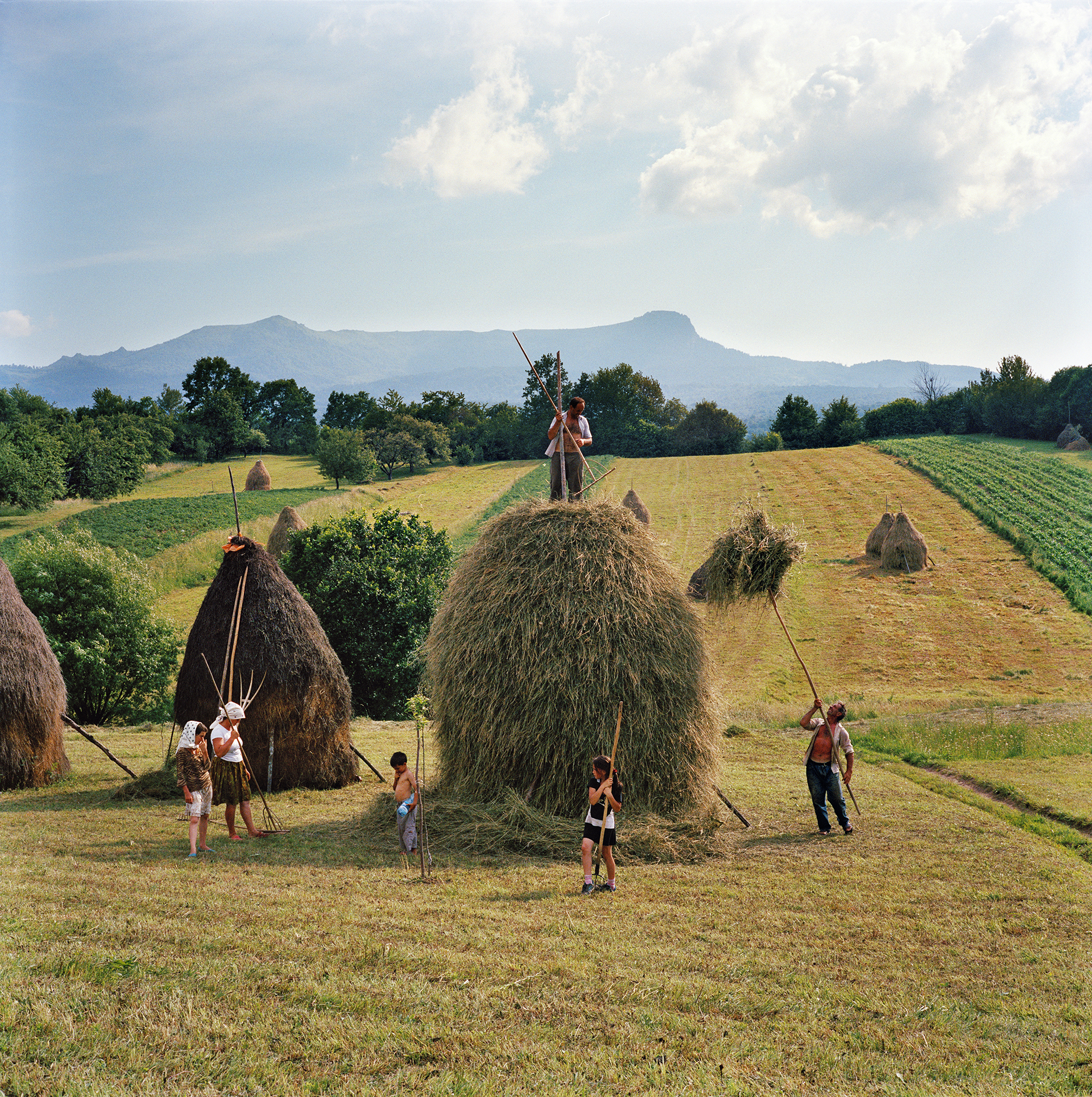
- Travellers are a minority group in Ireland, living a nomadic life with traditions that diverge from mainstream society. They travel in caravans and park in official and unofficial sites, trash piling up by their trailer. They marry young, have many children, and they experience discriminiation due to their nomadic lifestyle. In December 2005, Don McNeill Healy began photographing the Maughan family, living on the side of Pigeon House Road in an industrial area of Dublin, Ireland. Rosie Maughan is divorced and alcoholic, raised 13 children, still has two daughters at home, and helps raise her many grandchildren who regularly visit.

Marko Polo - Poland became a full member of the European Union in 2004, opening the door for Poles to travel in search of better jobs and a new life. Many moved to Ireland, but the jobs disappeared as the Irish economy took a dive in 2008. Some returned home while others, such as Marko, 35 and divorced with two children, chose to stay in Ireland. Marko is homeless in Dublin, and his struggle with alcoholism keeps him unemployed. In this work in progress, Don McNeill Healy will follow him through a recovery and rehabilitation program over the coming months as Marko tries to rebuild his life in the face of economic depression.

ANASTASIA TAYLOR-LIND

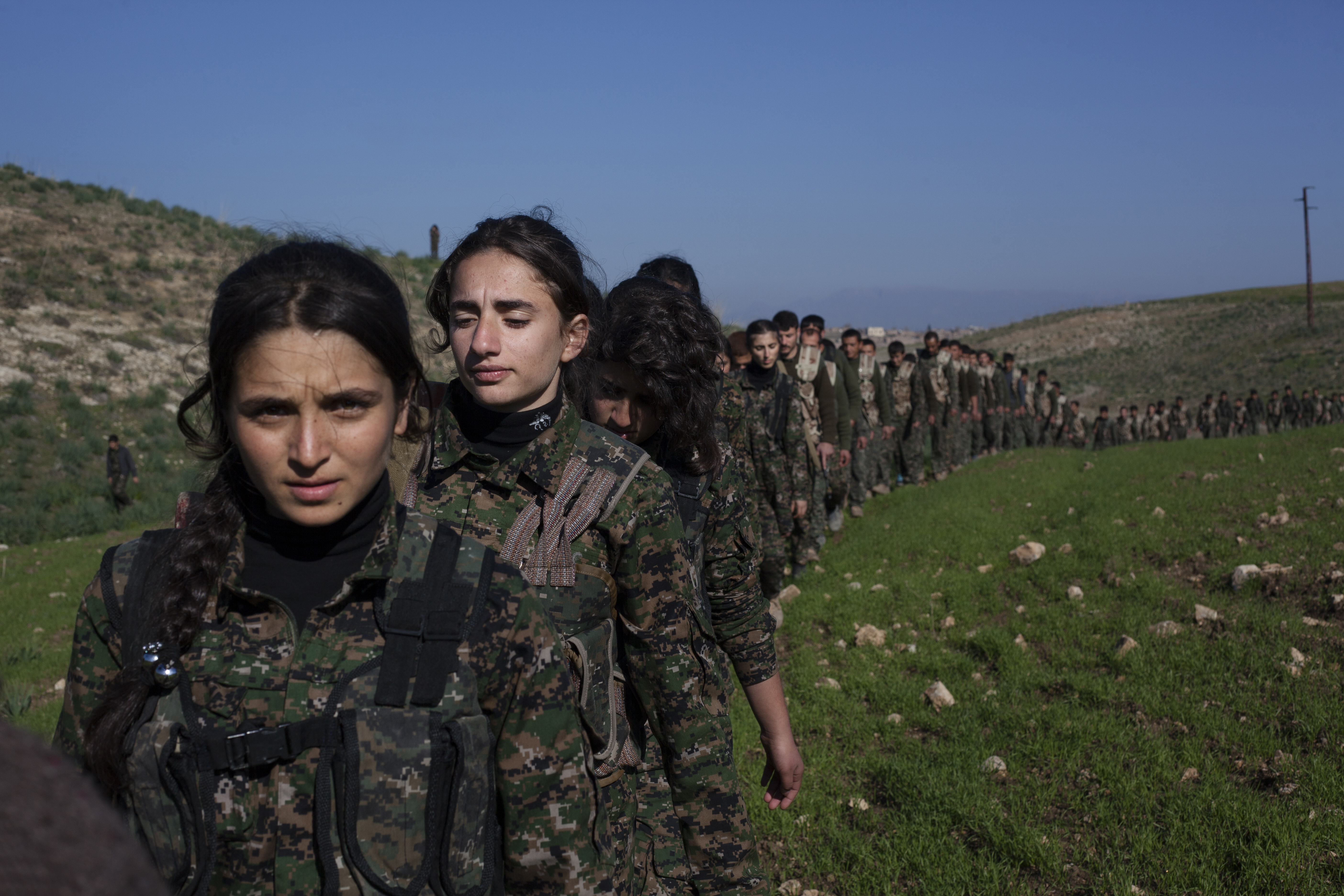
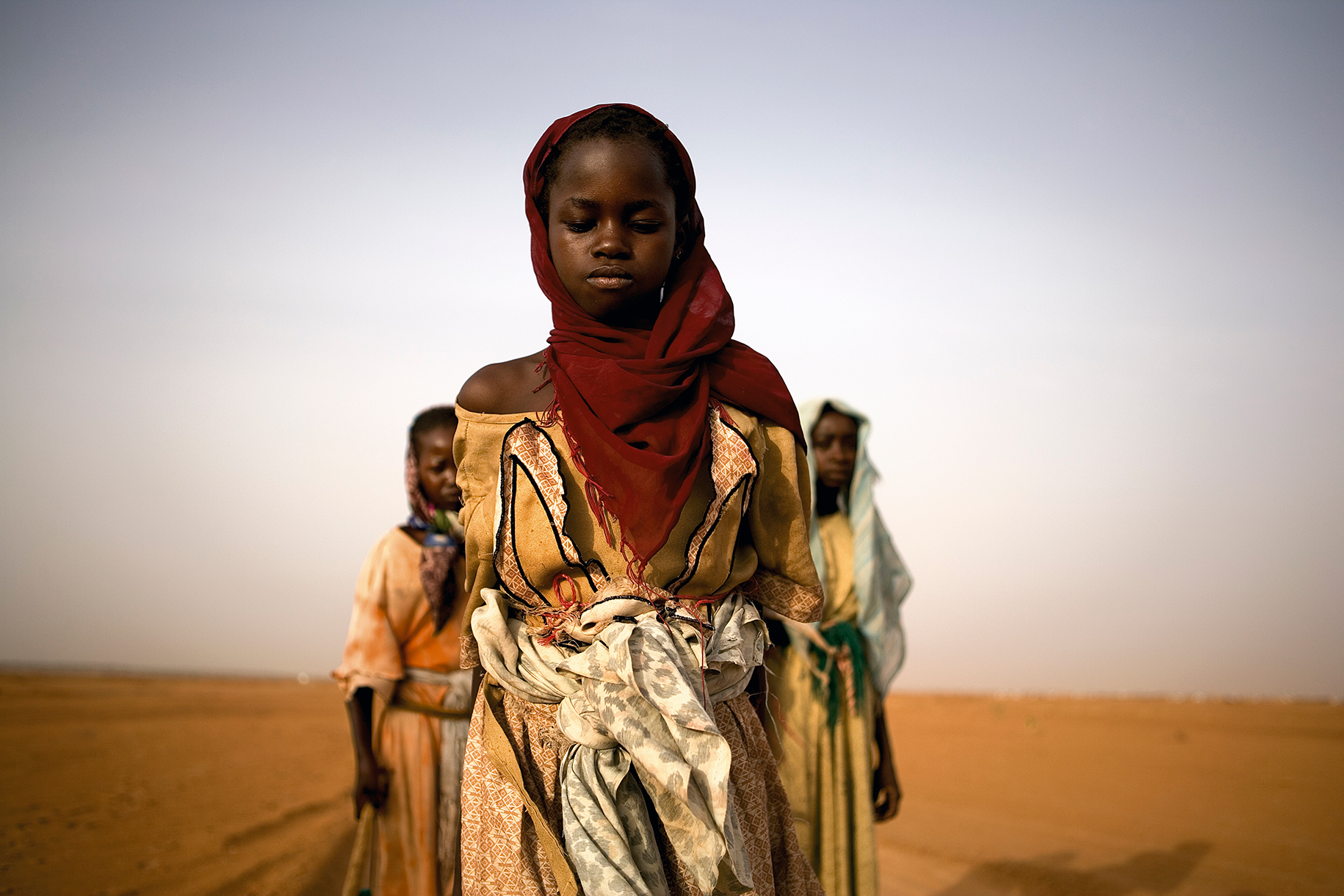
No Friends but the Mountains - From age five, Helin watched every night as the police came to her home in Diyarbakir, Turkey, to torture her parents and siblings and smash up their home. "I was too small to do anything about what was happening then, but decided when I was old enough, that I would," she says. "I finally joined the PKK when I was 13." Though the figures aren’t exact, as many as 10,000 PKK soldiers, or Kurdistan Workers Party, are reportedly massing in mountain camps in Iraq just across the border from Turkey. One third of the Kurdish combatants today are women. Each has a story about the family they left behind, but believes that the sacrifices they have made are worthwhile.

The Cidermen - Westcountry farmers have paid their laborers with cider since medieval times, a tradition that remains today in a part of England where many local customs center around the apple harvest. In small villages, men barter their labor for a share of the cider yield. In a tradition that has united remote communities for centuries, one farm provides the apples, a neighbor will have an apple press, and another the oak barrels and young men--the strength to work the press. Each year three generations of the Reed family gather to make cider. They are helped by neighbor Andy Jarvis, who makes cider for many farms in the small Devonshire village of Stockland but never charges for his labor. Nearby, on the edge of Exmoor, John Simmons has been making cider with the same oak press and horse-powered apple crusher for sixty years. For these men cider-making is at the heart of a rural culture that values self-sufficiency, working the land, and above all, neighbors you can count on.

MACIEK NABRDALIK

Gleason’s Gym - Opened in 1937, Gleason’s Gym remains the oldest active boxing gym in the U.S. Its name has become one of the most well-known brands in American boxing. Gleason’s has been a training headquarters for such boxing legends as Jake LaMotta, Muhammad Ali and Roberto Durán. All together, there have been 117 world champions who have trained at the gym. Currently three active title holders workout at Gleason’s, as well as dozens of Golden Gloves champions and numerous contenders.
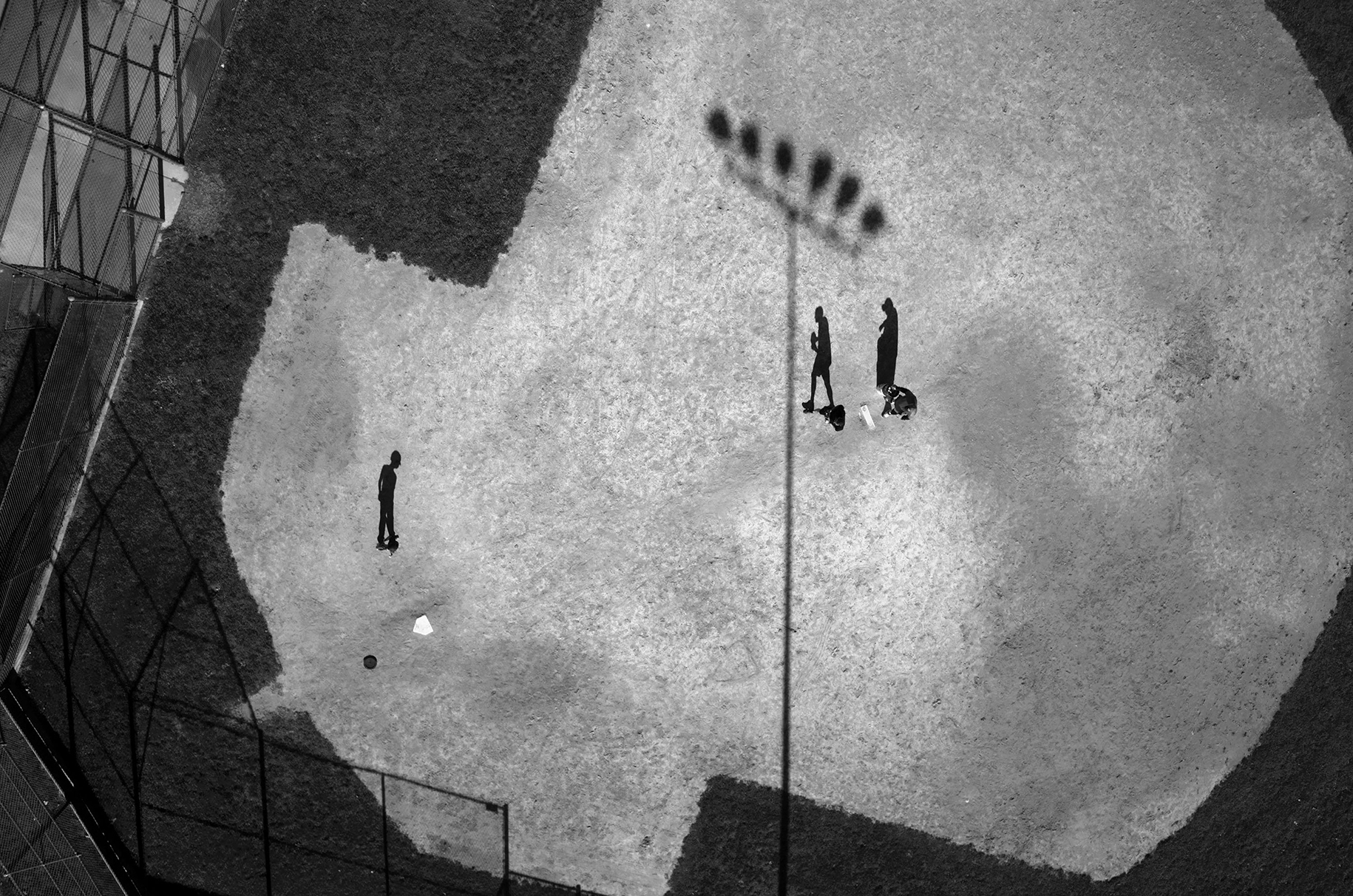
Winter Bathing in Poland - The winter bathing community in Poland is something of a phenomenon. The International Winterbather’s Rally in Mielno began in 2004 and has grown significantly each year. The event was inspired by weekly winter gatherings of 20 hardy souls on the banks of the Baltic Sea. The bathers now come from all parts of Poland, some from regional clubs and others who just do it on their own. No matter the temperature, time of day, or how fierce the weather, these swimmers will not be deterred. Many started because of possible health benefits, claiming improved stamina and a stronger immune system, while others were simply looking for friends or a winter hobby.

VIIMENTOR PROGRAM NEWS
AWARDS:

Agnes Dherbeys - Finalist for the CARE International Award for Humanitarian Reportage for "Temple of Doom" at the 2008 Visa pour l'Image in Perpignan.

Giulio Di Sturco - First place Arts & Entertainment single from "Fashion Week in Delhi" in the World Press Photo 2009 contest & First Place Contemporary Issues story for "Bihar Aftermath" in the 2009 Sony World Photography Awards.

Don McNeill Healy - Selections from "Pigeon House Road" and "Marko Polo" were nominated for the Discovery Award at the 2009 Rencontres d'Arles (Arles Photography Festival) and will be exhibited at this year's festival.

Benedicte Kurzen - Second Place and Honorable Mention for images from "Laurent Nkunda" in the Best of Photojournalism 2009 News Portrait & Personality cetegory.

Maciek Nabrdalik - Second place in Sports Issues in the 2008 BZ WBK Pressfoto Contest.

Anastasia Taylor-Lind - "No Friends but the Mountains" was nominated for Anthropographia 2009, the Photojournalism Competition on Human Rights, and has been shortlisted, pending the final round of judging, in the "Europe and Asia -- Dialogue of Cultures" International Photography Contest.


KURDS: THROUGH THE PHOTOGRAPHER'S LENS
New Book including work by Anastasia Taylor-Lind


This book of photography, poetry and writing was commissioned by the Delfina Foundation to mark 15 years of the Kurdish Human Rights Project. A selection of Anastasia Taylor-Lind's "No Friends but the Mountains", about the women of the Kurdistan Workers Party guerrillas, was included along with work by 12 other photographers.

VIIMENTOR PROGRAM RECENTLY PUBLISHED
WE, DEFENDERS OF TIBET by Agnes Dherbeys
in GQ France
THAILAND: A SHORELINE ON THE VERGE OF DROWNING by Agnes Dherbeys
for Terra Economica
DEAR DIARY: AFTER TODAY I HAVE NO JOB
by Giulio Di Sturco
for la Repubblica
THE NEW CHRISTIAN MARTYRS
by Giulio Di Sturco
in The Sunday Times Spectrum
PIGEON HOUSE ROAD by Don McNeill Healy
in Infra-Mince #3
LAURENT NKUNDA by Benedicte Kurzen
in the New York Times
WINTER BATHING IN POLAND by Maciek Nabrdalik
in Polityka
ENERGY: DIRTY LITTLE SECRET
by Benedicte Kurzen for Time
THE EVERYDAY BATTLE
by Anasatasia Taylor-Lind
for Developments
VII DUMBO:

Current Exhibition: AWARD-WINNING IMAGES
Featuring work by:
VII, VIINETWORK and VIIMENTOR PROGRAM Photographers


Opening Reception: April 2, 2009

Show runs March 31, 2009 through April 17, 2009

Featuring award winning work over the past year by VII, VIINETWORK and VIIMENTOR Photographers.

For more information contact: david@viiphoto.com or visit www.viiphoto.com

VII DUMBO is open Monday through Friday, 10am to 6pm. Located at 28 Jay Street, Brooklyn; 2 blocks west of York Street station (F train). Map...

Bookstore: Rare, limited edition, and signed photography books available.
Marcus Bleasdale/VII
Stephanie Sinclair/VII
Giulio Di Sturco/VII Mentor Program
Balazs Gardi/VII Network
VIIMENTOR PROGRAM FOR ALL IMAGE SALES AND RESEARCH, PLEASE CONTACT:
Nick Papadopoulos
Sales and Research
Europe, Asia, Africa
+33.1.4013 9561
nick@viiphoto.com
Alina Grosman
Sales and Research
U.S. and the Americas
+1.212.337.3130
alina@viiphoto.com
Dominique Viger
Sales and Research
France
+33.1.4013 9561
dominique@viiphoto.com
Nadia Shira Cohen
International Special Projects
+39.340.305.3852 (Italy)
+1.419.830.0263 (U.S.)
nadia@viiphoto.com
VIIMENTOR PROGRAM NEWSLETTER April 2009
© VII PHOTO AGENCY
www.viiphoto.com