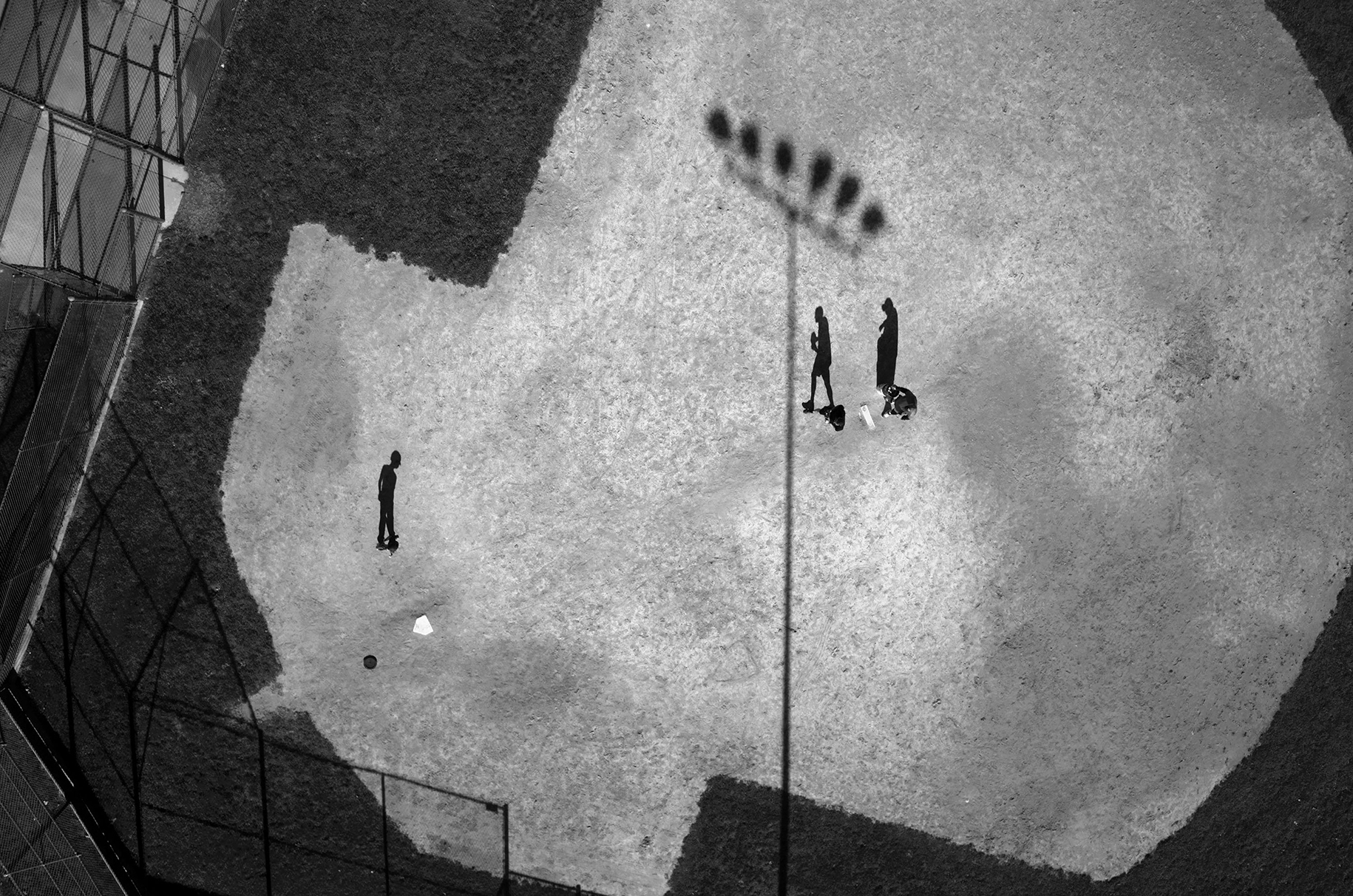
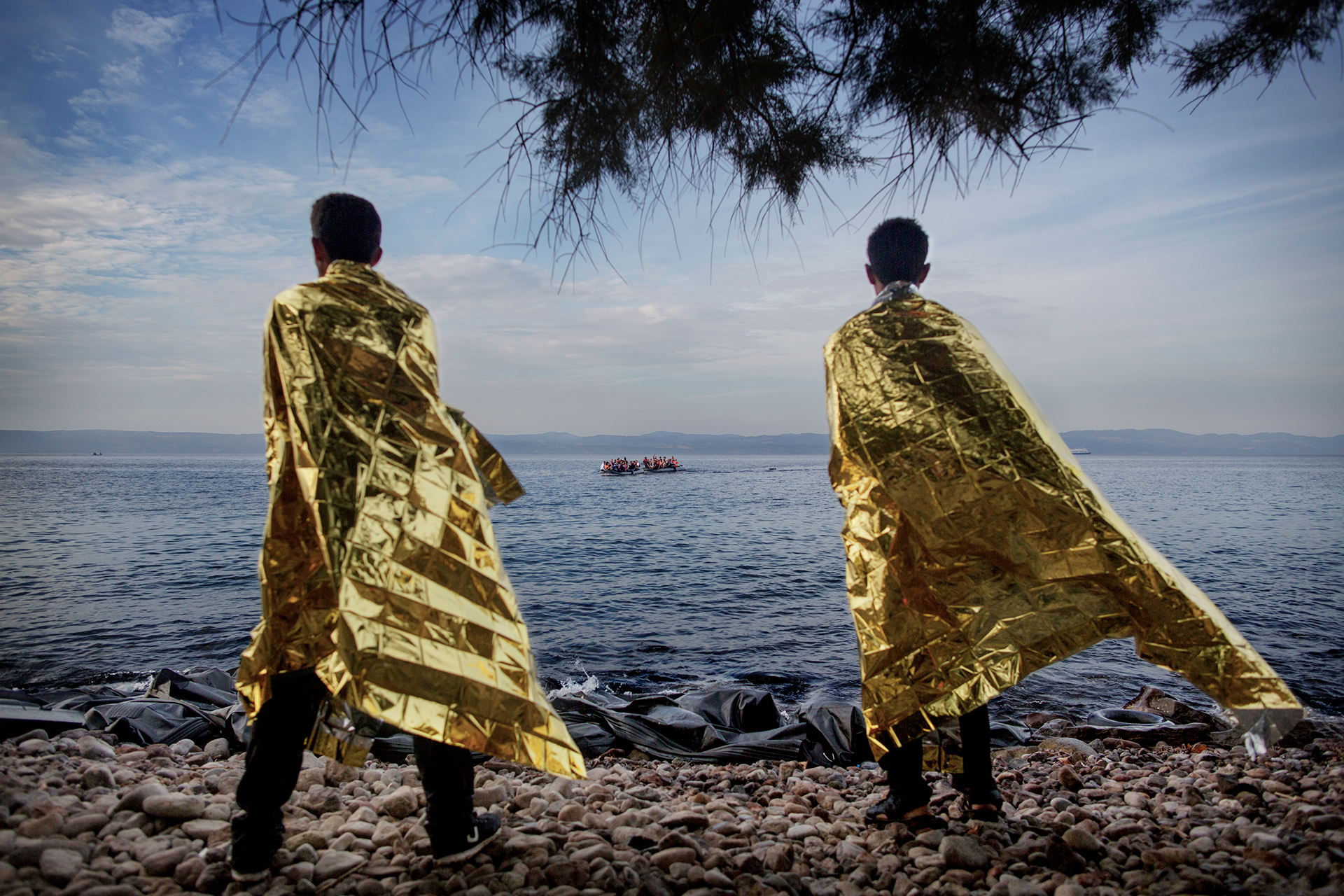
|
VII
derives its name from the number of founding photo-journalists who,
in September 2001, formed this collectively owned agency. Designed
from the outset to be an efficient, technologically enabled distribution
hub for some of the world's finest photojournalism, VII
has been responsible for creating and relaying to the world many
of the images that define the turbulent opening years of the 21st
century.
Alexandra Boulat, Ron Haviv, Gary Knight, Antonin
Kratochvil, Christopher Morris, James Nachtwey and John Stanmeyer
were joined in 2002 by Lauren Greenfield and in 2004 by Joachim
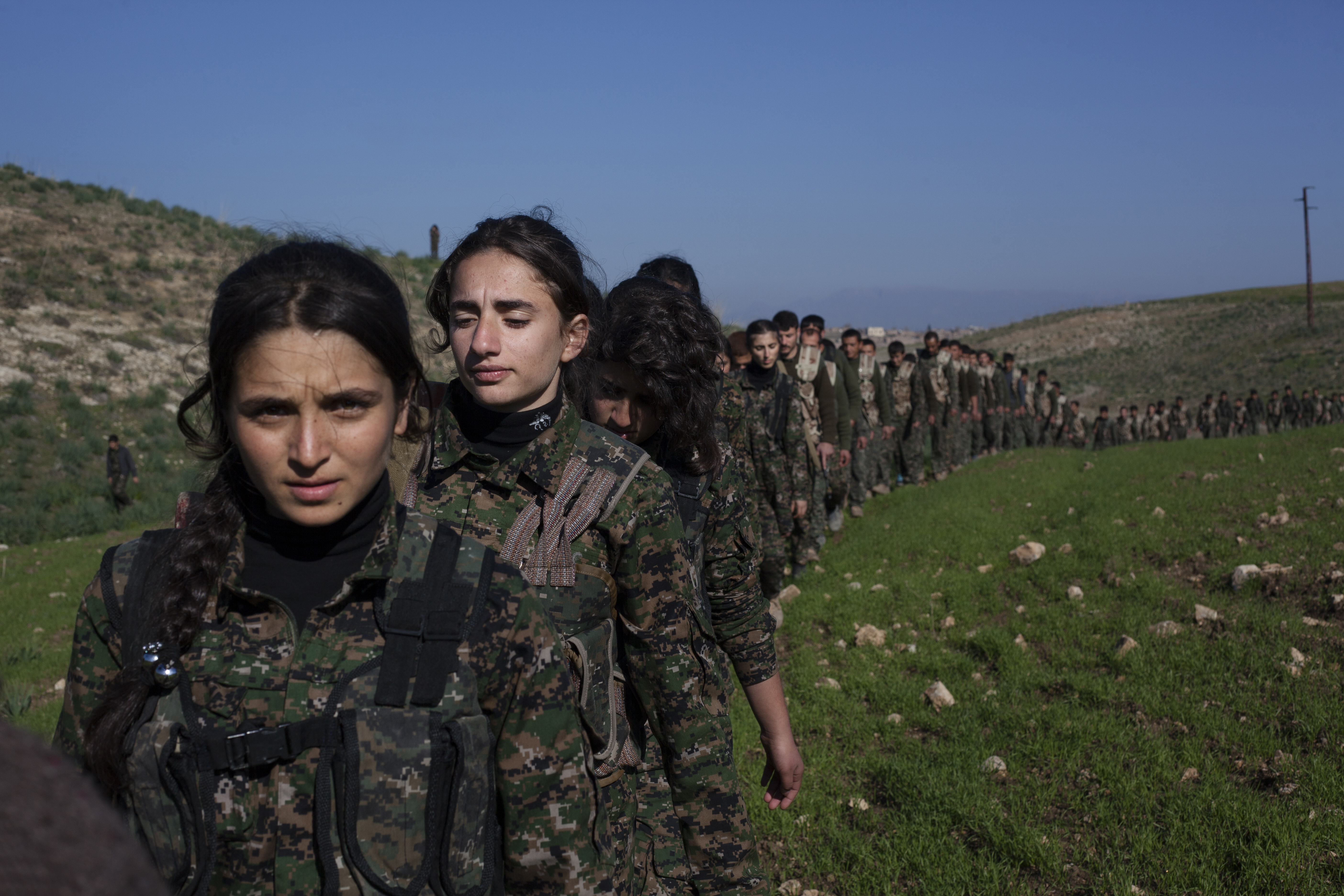
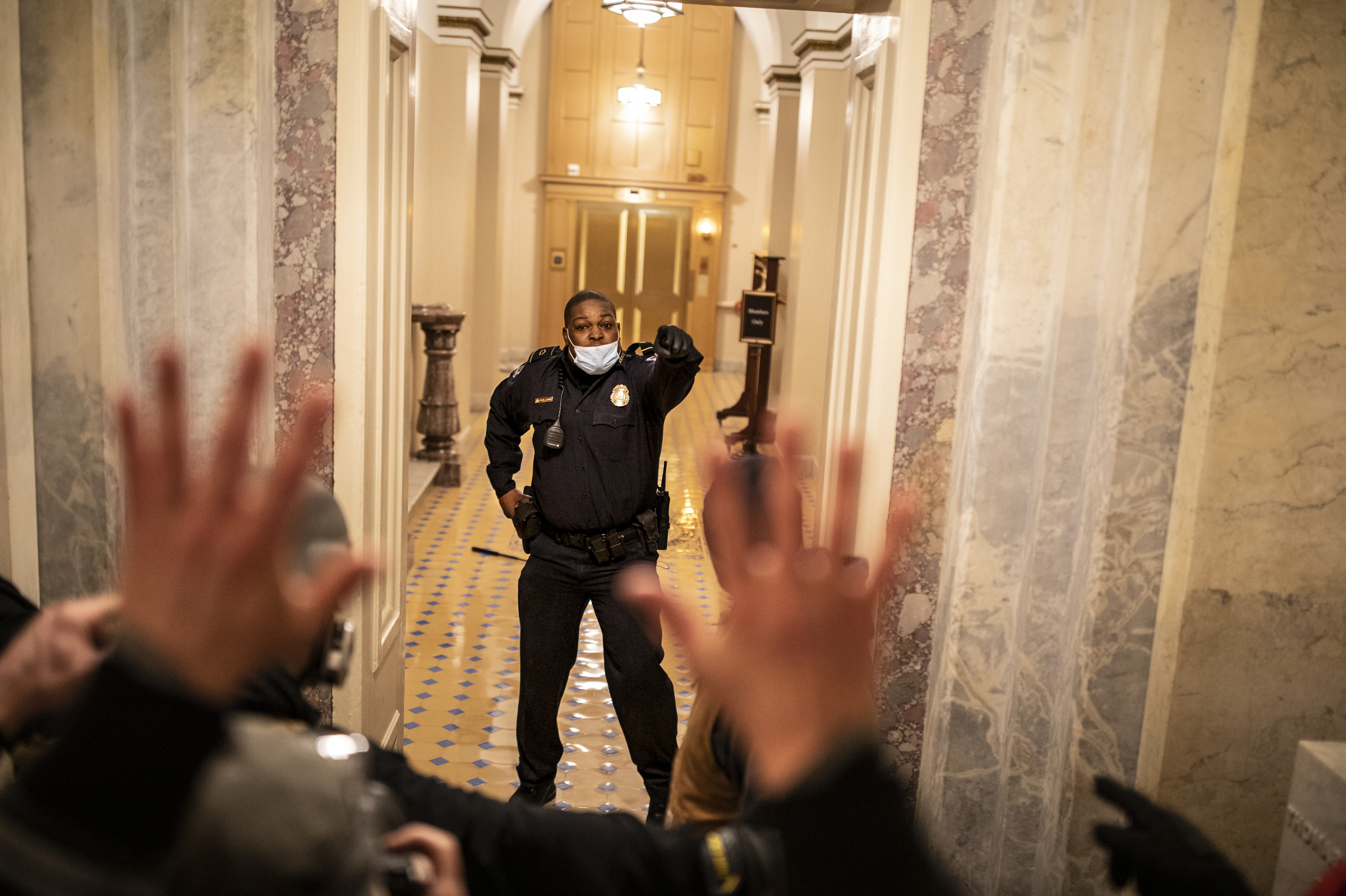
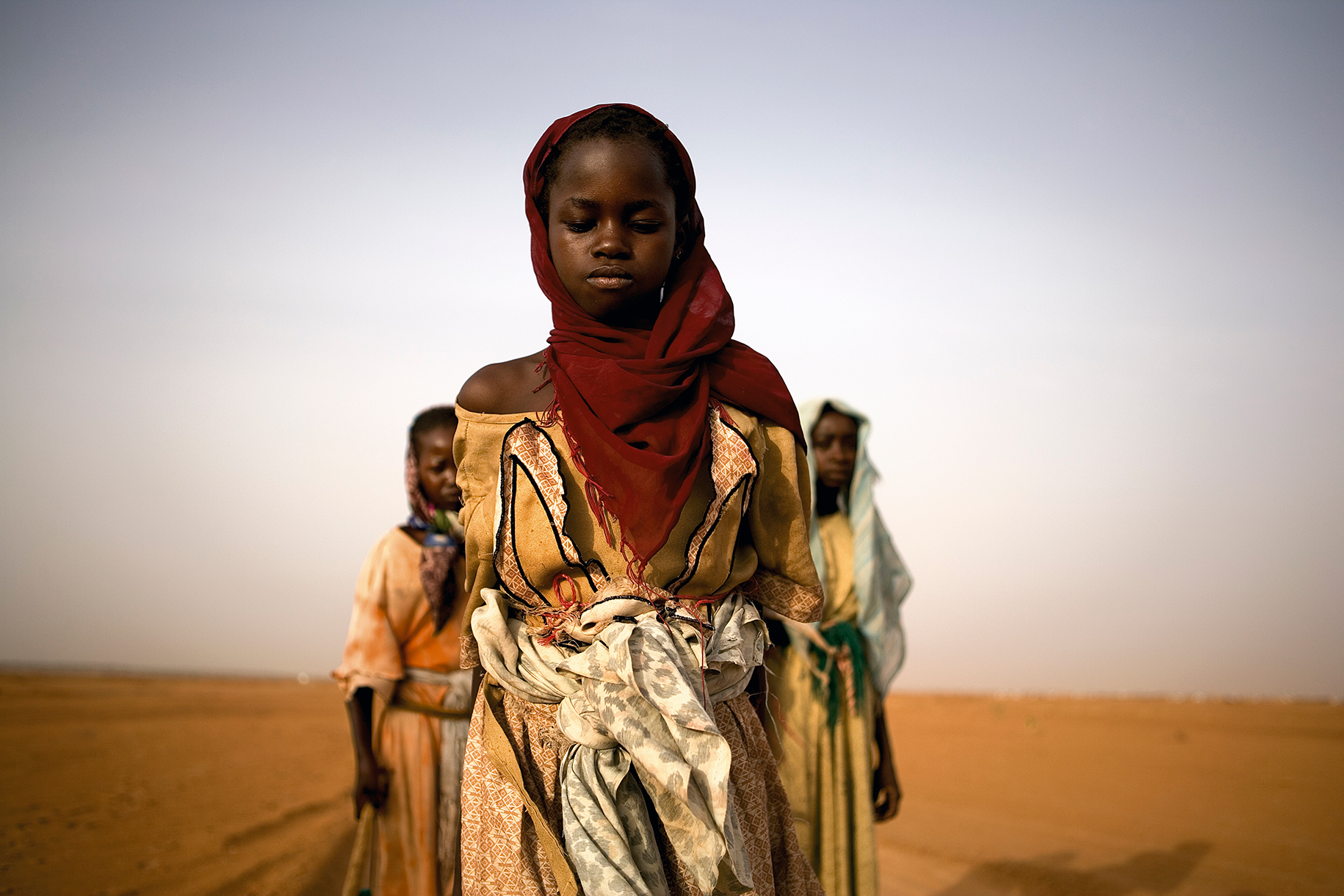
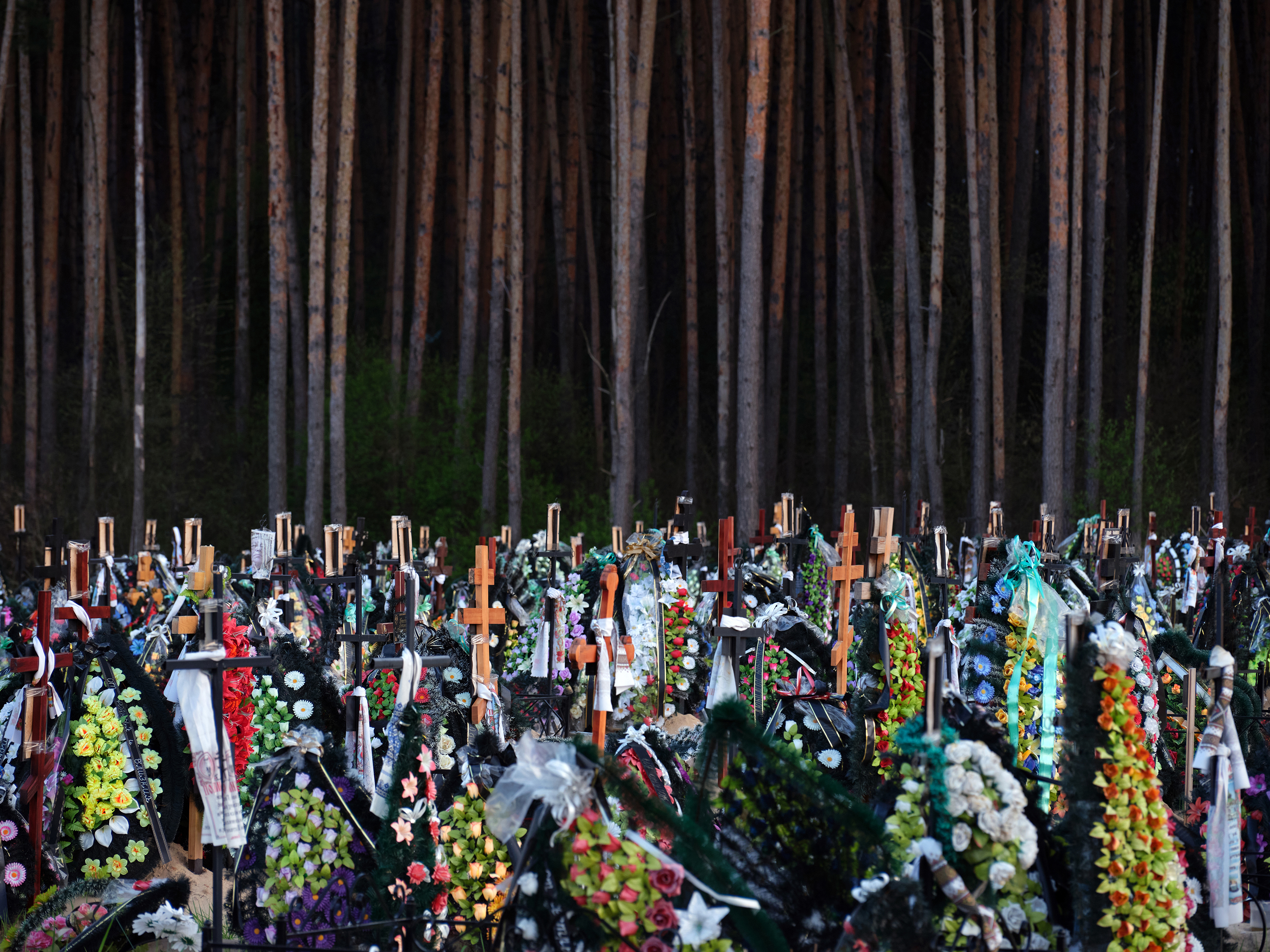
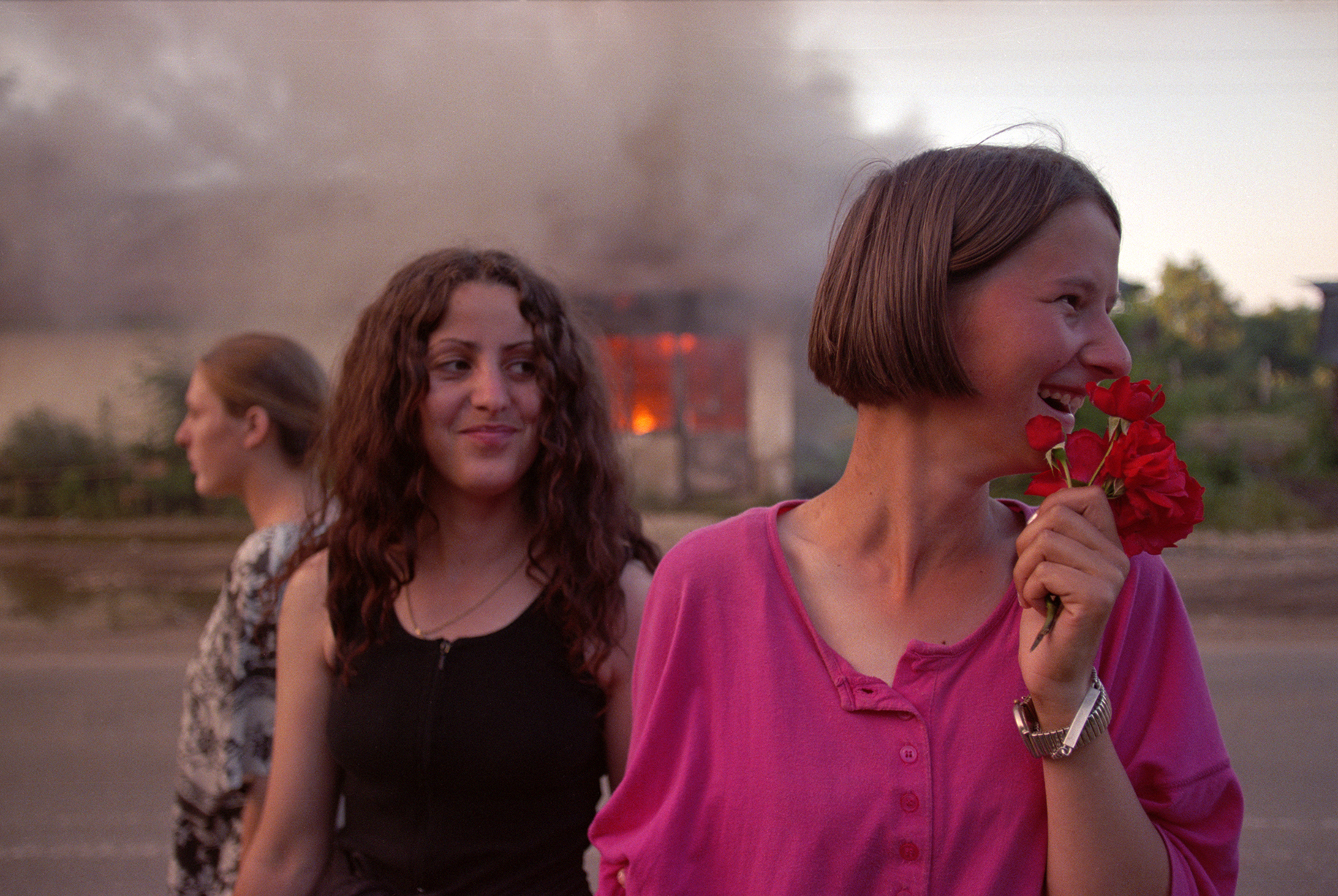
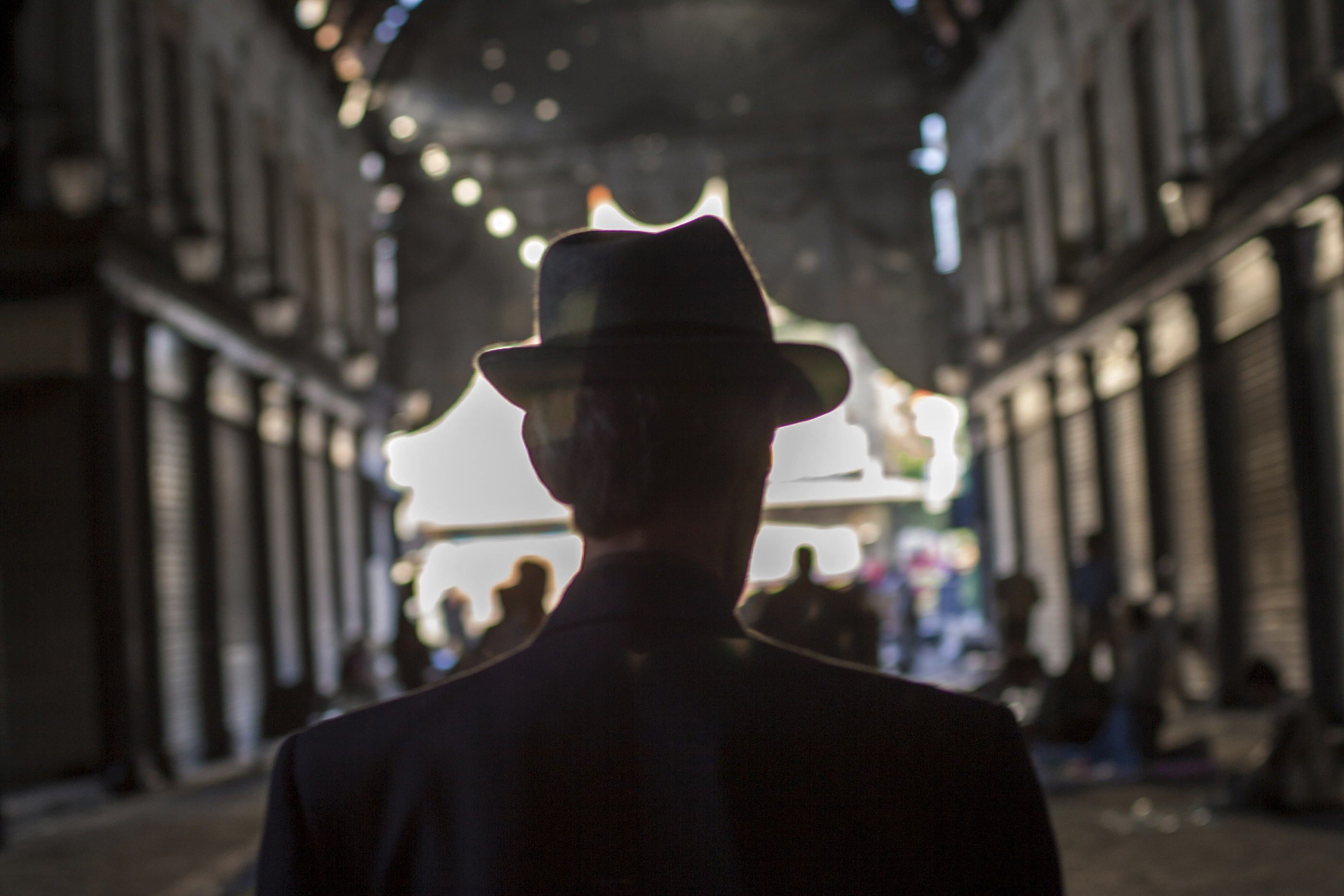
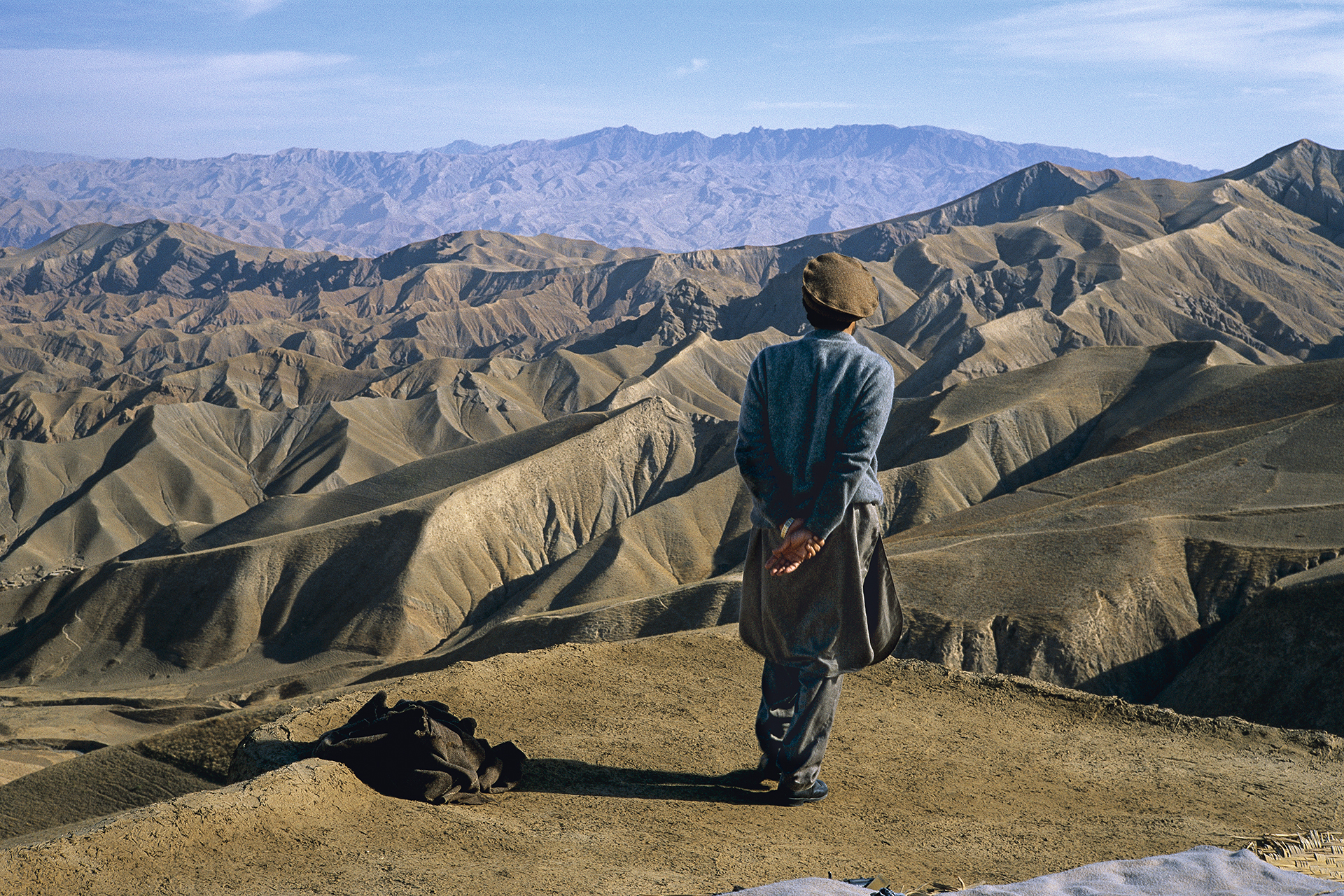
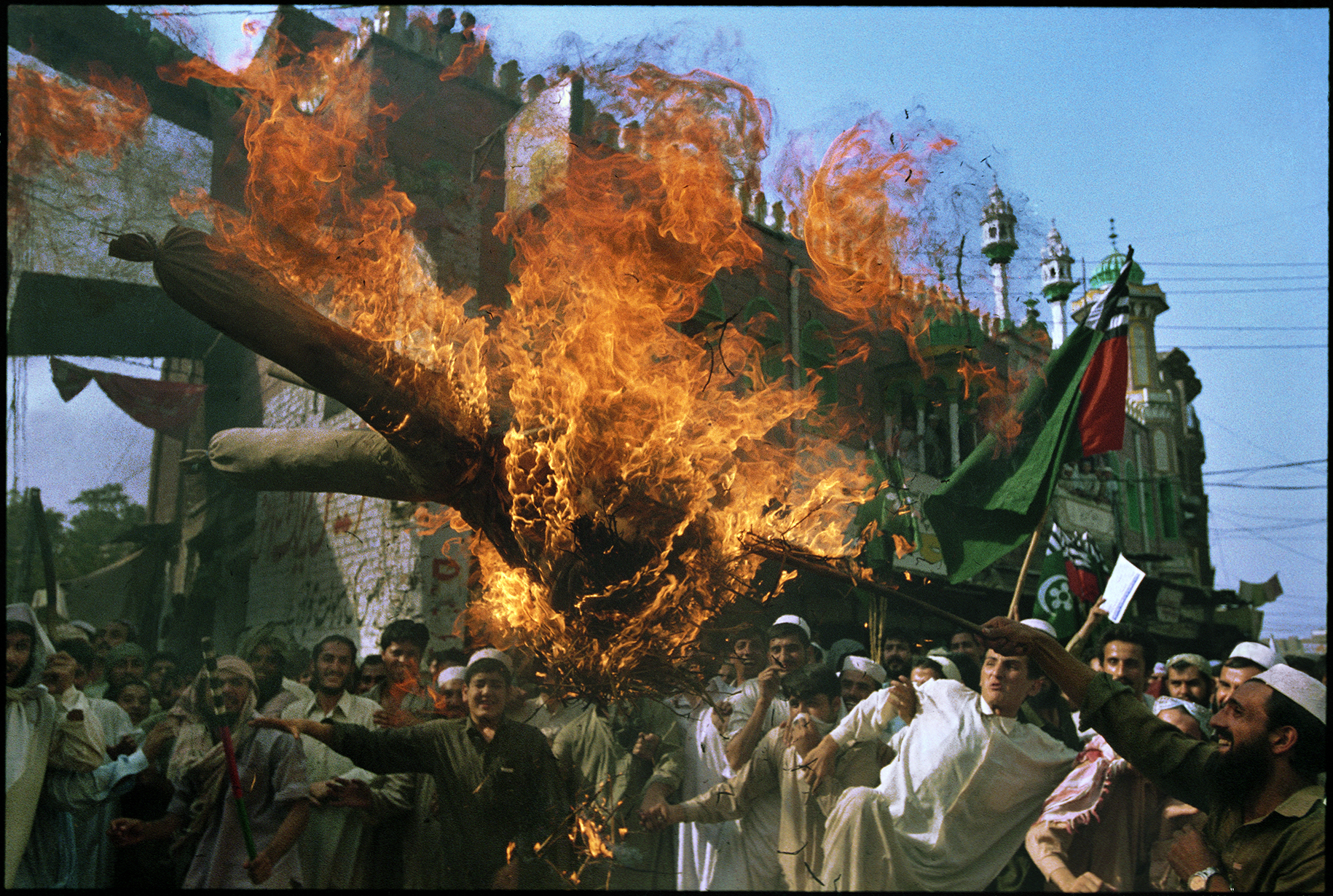
Ladefoged. Eugene Richards joined in April 2006. Together they document
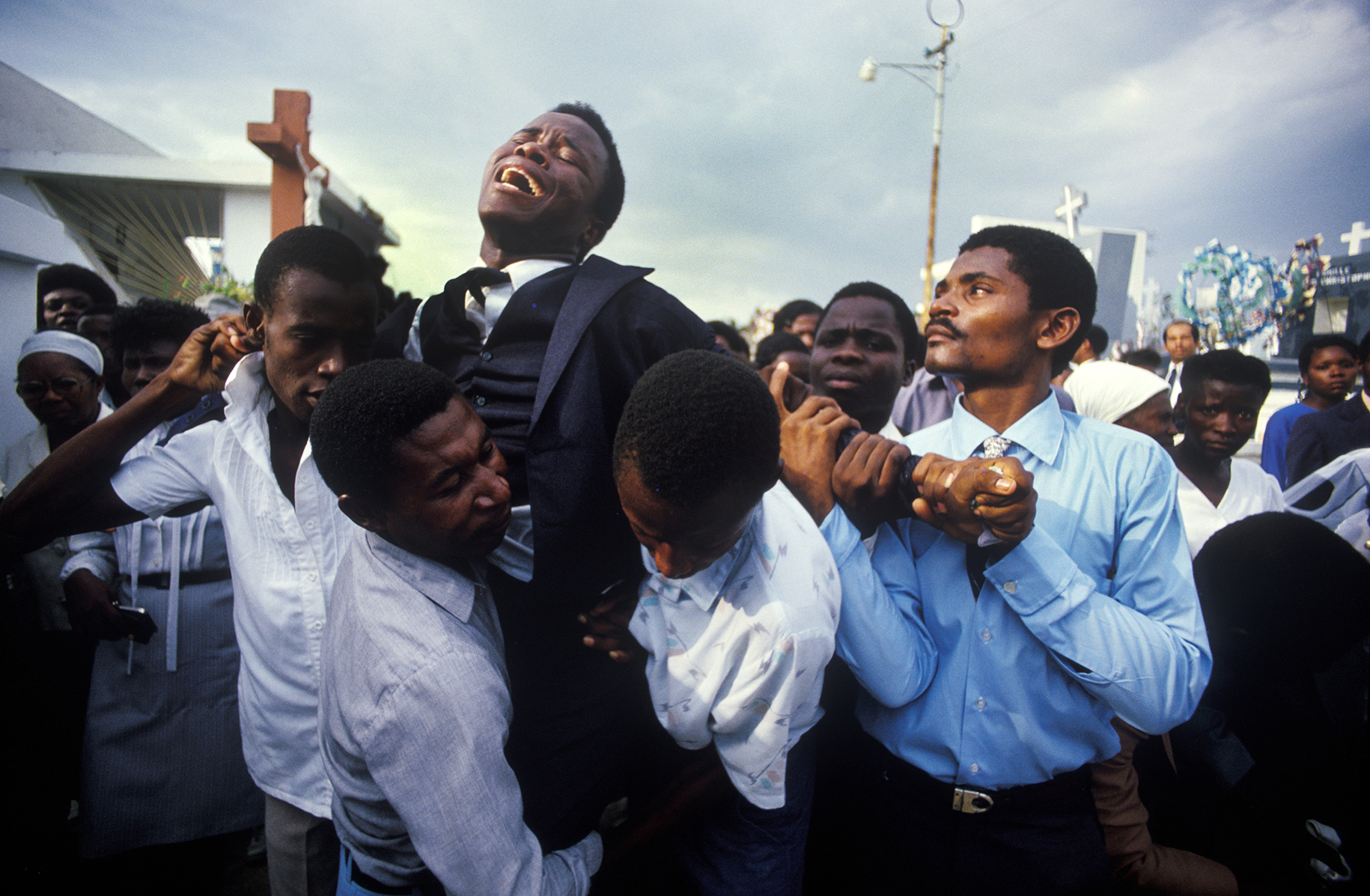
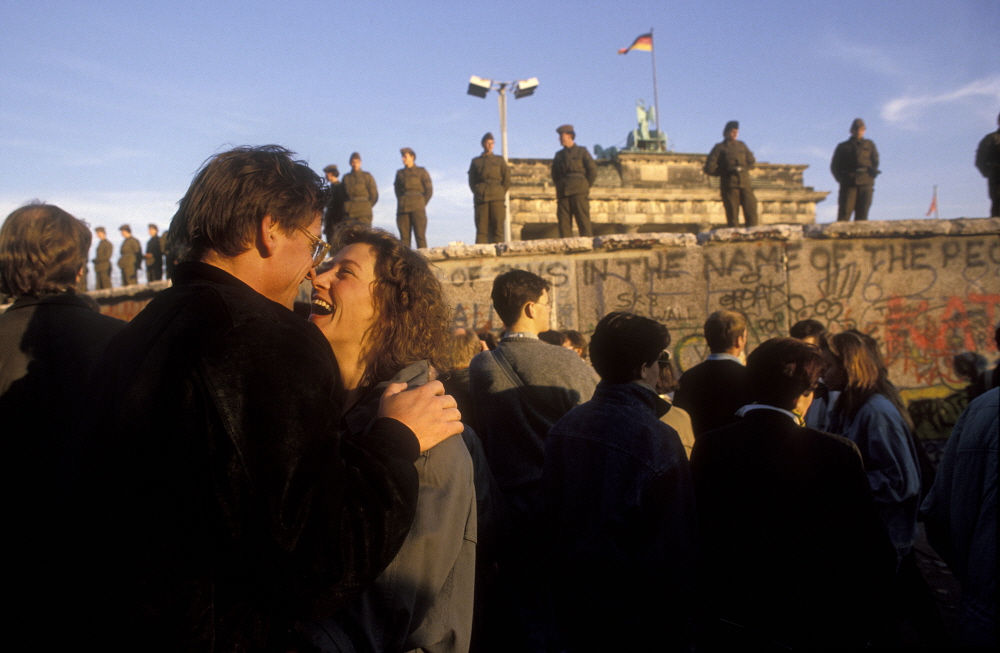
conflict - environmental, social and political, both violent and
non-violent - to produce an unflinching record of the injustices
created and experienced by people caught up in the events they describe.
On September 9th 2001, VII
announced its formation. On the following night, covering for the
missed return flight of a colleague, James Nachtwey arrived at his
Manhattan apartment close to the World Trade Center. The next morning,
he photographed some of the most haunting pictures of the collapse
of the towers, at the same time eloquently conveying the destruction
of a way of life.
While the stark realities of the battlefield loom
large, VII turns its
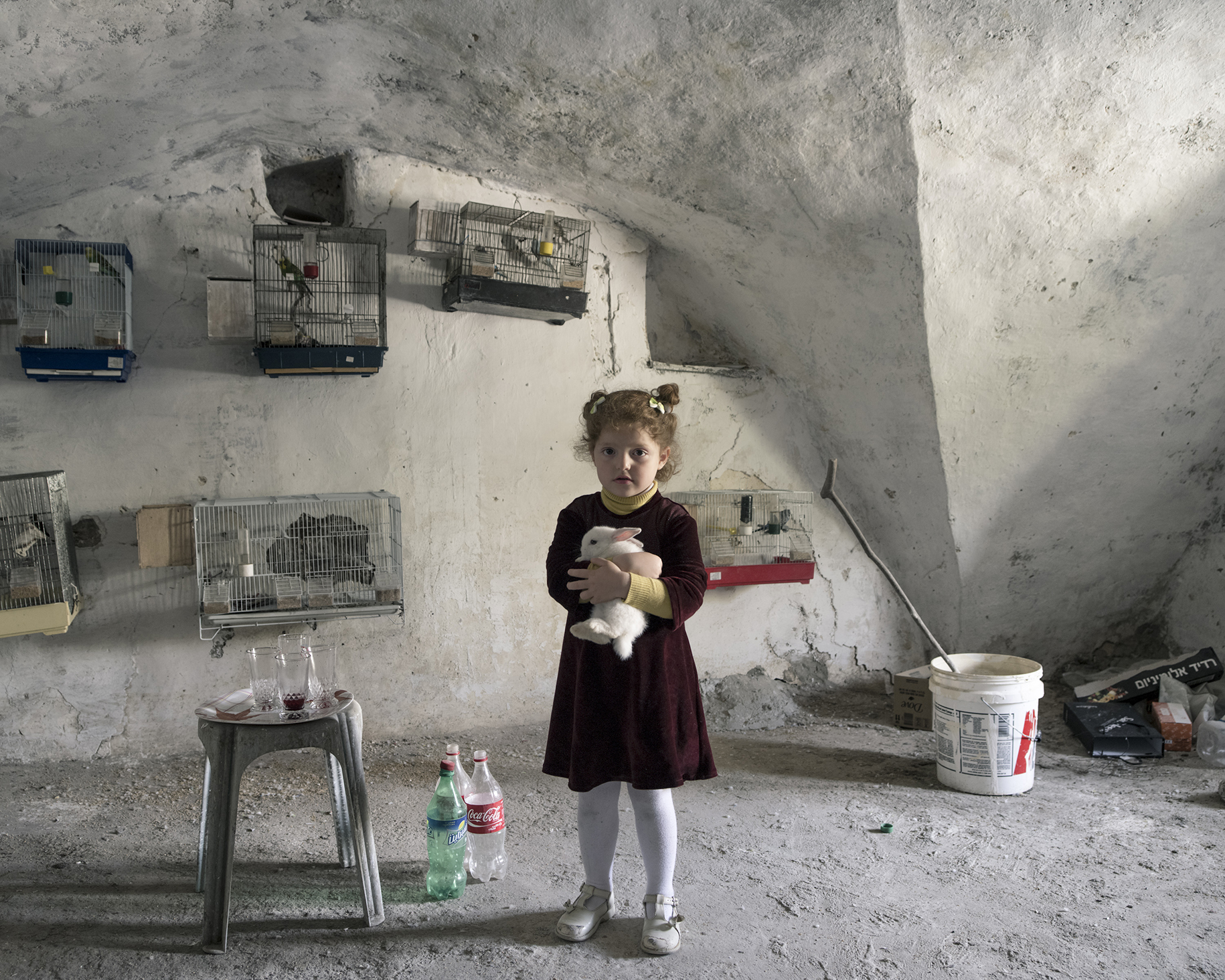
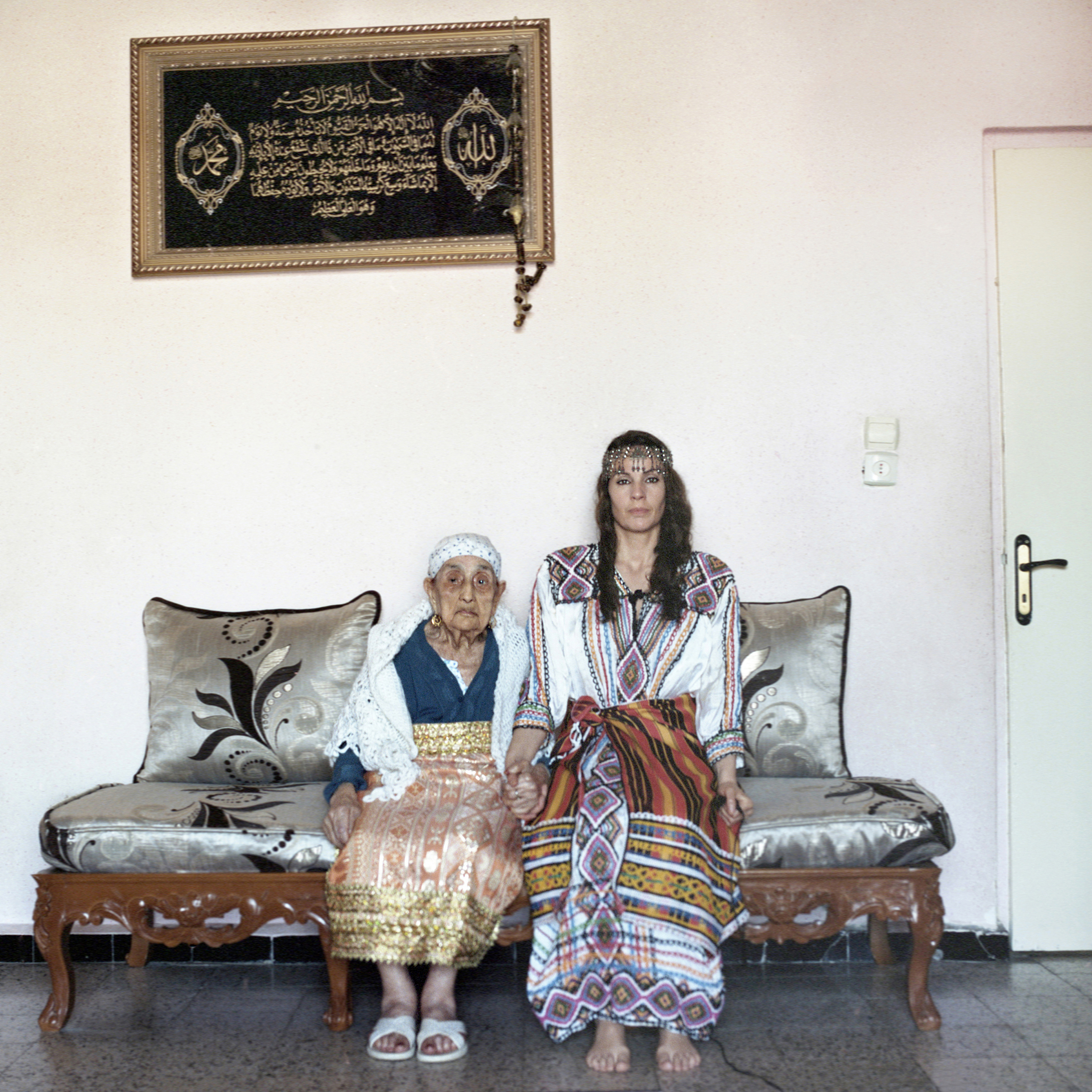
gaze with equal intensity to more subtle forms of conflict and documenting
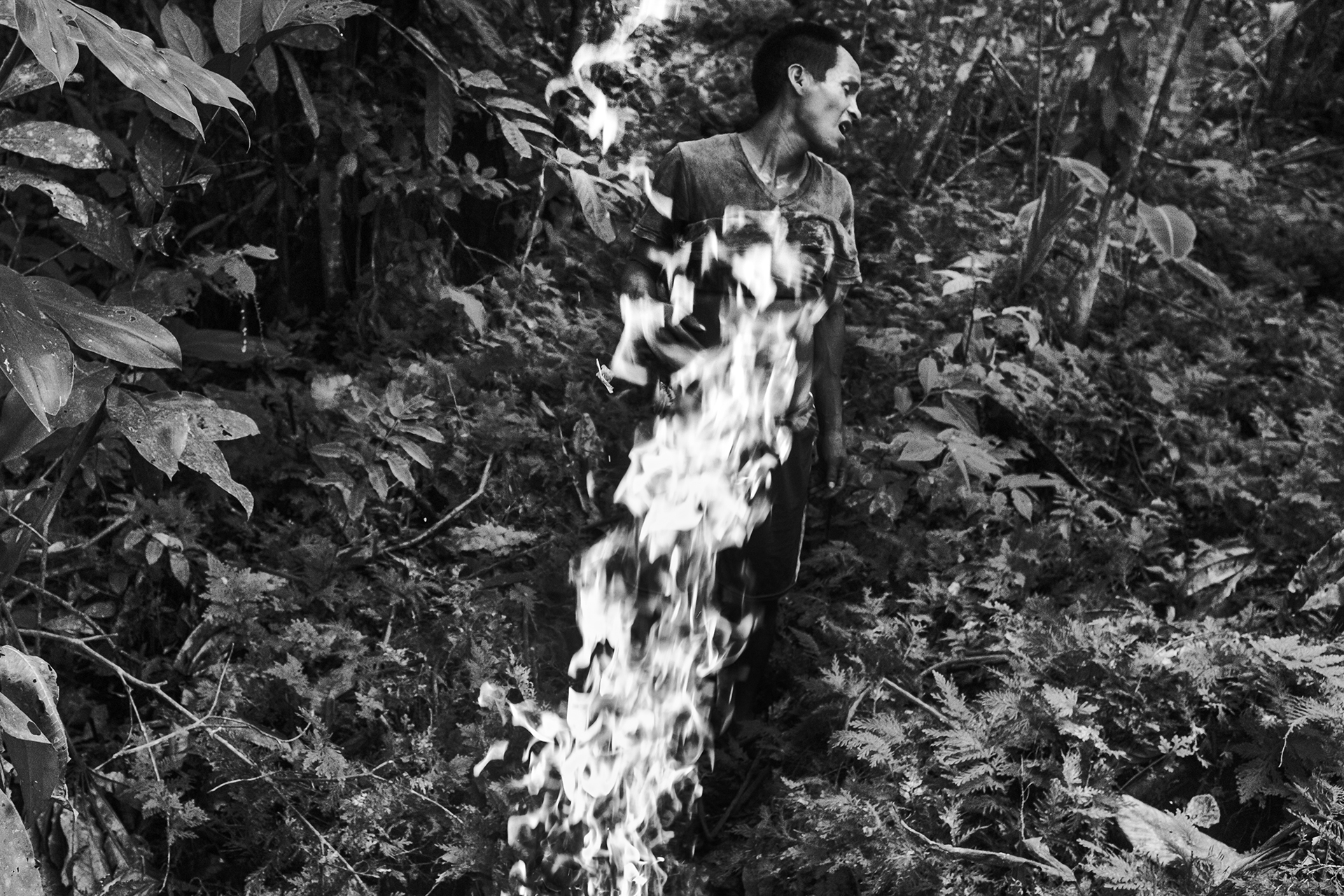
the changes and development of society and culture worldwide. The
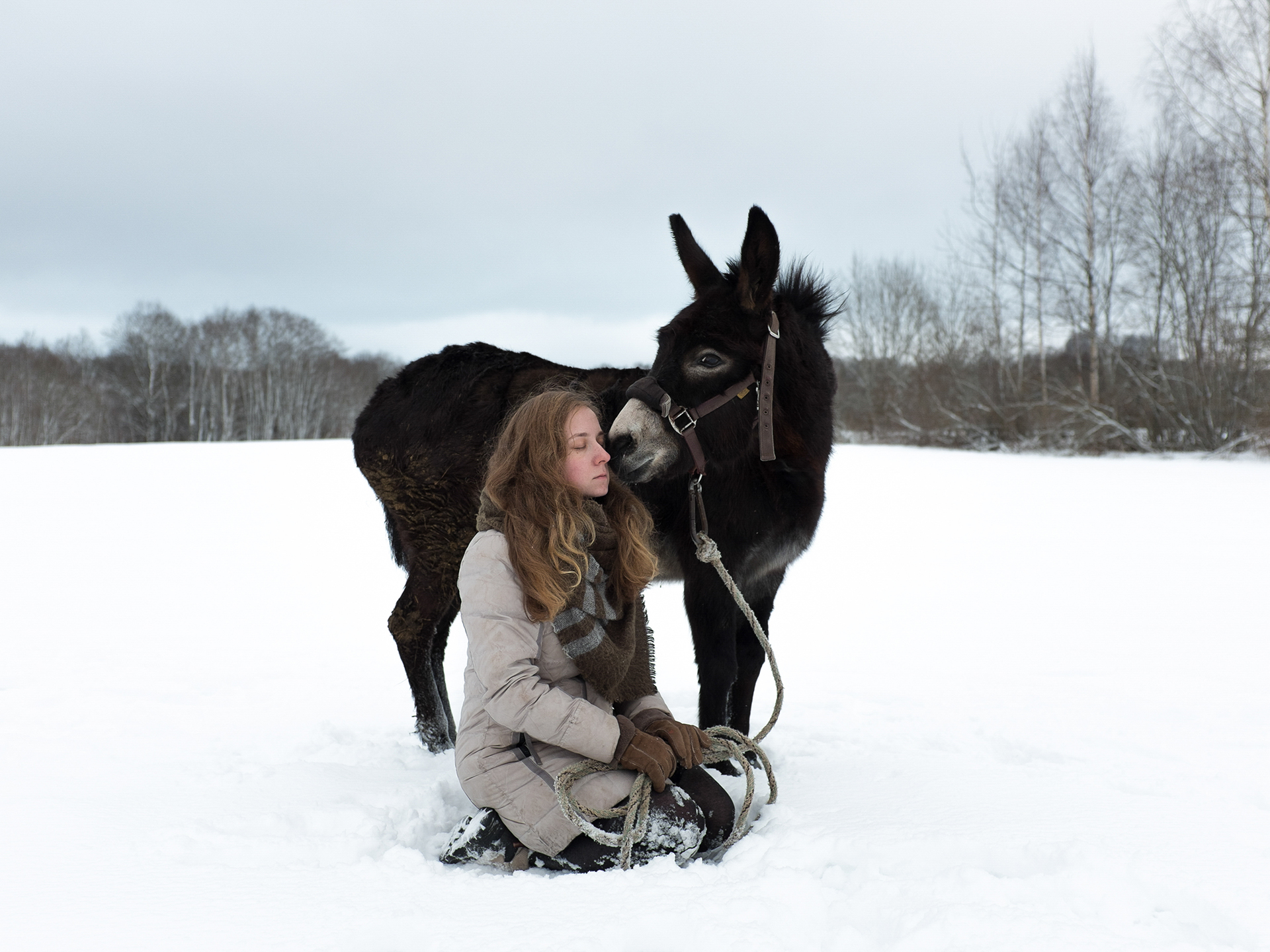

work of Lauren Greenfield, particularly in her social documentary
of youth culture and gender identity, adds a further perspective
and depth to the work of the agency
But this is not merely artfully captured, neutral
observation; nor is it the doctrinaire elaboration of a political
or social position. Each photographer is inspired by an array of
often very different motivations, and it is from this breadth of
reference that the agency draws its originality and strength. What
unites VII's work
is a sense that, in the act of communication at the very least,
all is not lost; the seeds of hope and resolution inform even the
darkest records of inhumanity; reparation is always possible; despair
is never absolute.
|
 |